













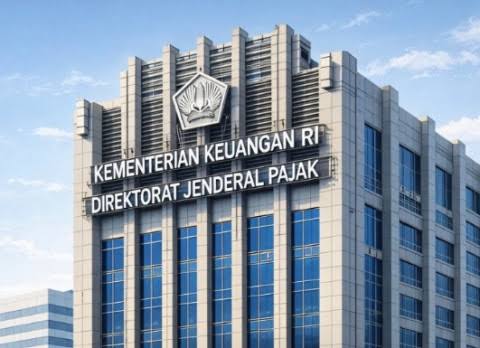
Jakarta – Indonesia’s Directorate General of Taxes (DJP) under the Ministry of Finance has officially involved personnel from the Indonesian National Armed Forces (TNI) and the National Police (Polri) in monitoring taxpayer compliance. The policy is stipulated in Director General of Taxes Circular Letter No. SE-8/PJ/2026 on Guidelines for Taxpayer Compliance Supervision.
Under the regulation, the personnel involved are Village Supervisory Non-Commissioned Officers (Babinsa) from the TNI and Community Security and Public Order Officers (Bhabinkamtibmas) from the Polri. Their role is to assist in building local information networks and mapping tax potential within their respective regions.
Taxpayer compliance monitoring will be conducted through various methods, including field visits, canvassing, direct observation, information network development, the use of remote sensing technology, web scraping, data analysis, and the review of legally available information. These measures are intended to strengthen tax supervision and improve its effectiveness.
The Directorate General of Taxes emphasized that Indonesia continues to apply the self-assessment tax system, under which taxpayers are responsible for calculating, paying, and reporting their own tax obligations. According to the agency, the enhanced supervision is intended to improve compliance and provide guidance to taxpayers rather than replace the existing tax administration system.
For registered taxpayers, supervision will be carried out through the Periodic Payment Monitoring (PPM) and Material Compliance Monitoring (PKM) programs. Meanwhile, individuals and businesses that have not yet registered as taxpayers will be targeted through tax extensification efforts aimed at expanding the country’s tax base.
Responding to public concerns, the Directorate General of Taxes clarified that the involvement of the military and police is limited to assisting with information gathering and mapping tax potential. They will not be responsible for law enforcement actions or any coercive measures against taxpayers.
Meanwhile, House of Representatives Commission I Chairman Utut Adianto urged the government to ensure that the involvement of military and police personnel does not create fear among the public. He said the presence of Babinsa and Bhabinkamtibmas should be viewed as support for state administrative functions rather than as a form of intimidation toward taxpayers.







Discussion about this post