Prabowo Opens Option of Ad Hoc Court to Investigate BUMN Directors Over the Past 30 Years

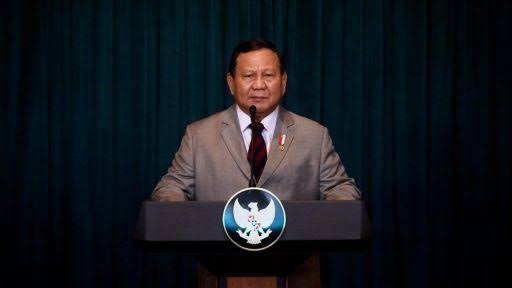
JAKARTA — President Prabowo Subianto has opened the possibility of investigating officials and directors of state-owned enterprises (BUMN) dating back as far as 30 years. Prabowo also raised the possibility of establishing a special ad hoc court to address alleged issues involving BUMN management from previous periods.
Prabowo made the statement during his address at the Annual Session of the People’s Consultative Assembly (MPR) and the Joint Session of the House of Representatives (DPR) and the Regional Representatives Council (DPD) at the Parliament Complex in Jakarta on Friday (August 14, 2026).
Prabowo said the idea emerged after the government established Danantara as Indonesia’s sovereign wealth fund (SWF) and began examining the structure and organization of state-owned enterprises.
The review, according to Prabowo, revealed that the number of BUMN entities was significantly higher than previously estimated.
“When we established Danantara, our sovereign wealth fund, we found that there were 1,074 BUMN,” Prabowo said.
Prabowo said he had initially estimated that Indonesia had only around 300 to 400 state-owned enterprises. However, after further examination, the number was found to have reached 1,074 companies.
He also highlighted the layered corporate structures within the BUMN ecosystem. Some companies, he said, have subsidiaries, sub-subsidiaries, and even entities at a further level of corporate ownership.
“I thought there were 300 to 400 BUMN, but there are 1,074,” he said.
According to Prabowo, the situation points to problems in the governance of state-owned enterprises. He argued that some BUMN have operated without sufficient accountability to the state and the government.
“Sometimes these BUMN operate as they please, without being accountable to the nation and the state. The government is not even regarded. I don’t understand how this could happen,” Prabowo said.
Prabowo also raised concerns about a number of BUMN that he considered unproductive and continuously loss-making. He questioned financial reports showing profits, arguing that in some cases the reported profits were allegedly manipulated.
“If I report everything, I’m afraid the people will be angry. There are too many BUMN that are unproductive and keep losing money. Their reports show profits, but those profits are simply made up,” Prabowo said.
Against this backdrop, Prabowo raised the possibility of pursuing legal action against former BUMN officials and directors. One option he mentioned was the establishment of a special ad hoc court to investigate the management of BUMN over the previous three decades.
“Perhaps we need to establish a special ad hoc court to investigate the directors and management of the past 30 years,” Prabowo said.
At the same time, Prabowo also opened the possibility of granting special amnesty to individuals willing to acknowledge their wrongdoing. He said such an opportunity could be offered to those who had repented, recognized their mistakes, and were willing to admit them.
“But I will face the assembly and the DPR. If necessary, we should provide an opportunity for special amnesty to those who repent, those who realize their mistakes, and those who admit them,” Prabowo said.
Prabowo then left the decision on whether such a policy should be pursued to the DPR as the country’s elected representatives.
“So I leave this to the people’s representatives to decide,” he said.
Prabowo’s remarks put the governance of state-owned enterprises among the issues receiving government attention, particularly following the restructuring and consolidation of state-owned companies under Danantara.