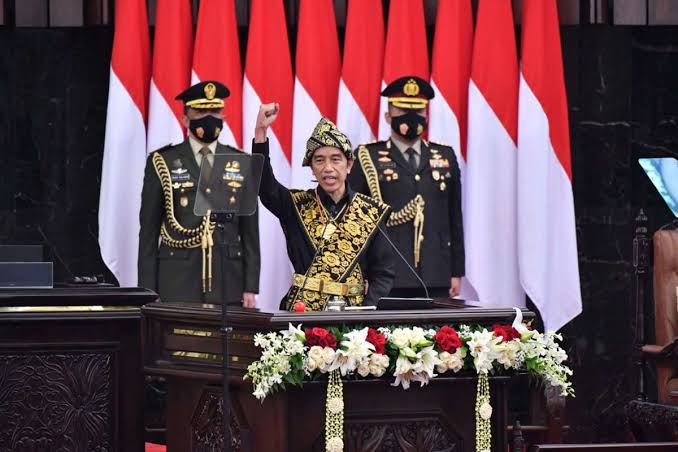
The return of Indonesia’s 7th President, Joko Widodo (Jokowi), to East Nusa Tenggara (NTT) is more than just the continuation of a political safari. The visit also serves as a reminder of the long-standing relationship that has been built between Jokowi and the people of NTT over more than a decade.
There is a reason why almost every visit by Jokowi to NTT is greeted with great enthusiasm. That relationship was not built in a single political moment, but through repeated visits and development programs that have directly addressed the needs of the local community.
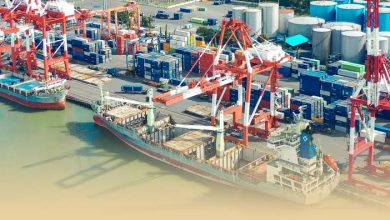
During his presidency, Jokowi visited NTT on numerous occasions. A province that had long been associated with drought, isolation, and limited infrastructure became one of the regions receiving significant attention from the central government. The construction of seven dams, the development of Labuan Bajo as a super-priority tourism destination, improvements to national roads, ports, airports, and various connectivity programs became part of the transformation.
For the people of NTT, the construction of dams means far more than just infrastructure development. Water is the most fundamental necessity. Therefore, the construction of Raknamo, Rotiklot, Napun Gete, Temef, Manikin, Kolhua, and Mbay Dams is regarded as a long-term investment for agriculture, clean water supply, and the region’s economic resilience.
That relationship was later reflected in the political choices of the people of NTT. In the 2014 presidential election, the Jokowi–Jusuf Kalla ticket secured around 66 percent of the vote in NTT. Five years later, support surged to approximately 88.6 percent for the Jokowi–Ma’ruf Amin ticket, making NTT one of the provinces where Jokowi received the highest level of electoral support nationwide.
That support indicates that the people of NTT know Jokowi not only through national media coverage, but also through the development projects they have seen and experienced firsthand. On various occasions, Jokowi even stated that he had visited NTT many times because he has a special concern for the province.
For that reason, Jokowi’s visit to NTT at the end of July 2026 carries a deeper meaning. Although he is no longer serving as President, he continues to fulfill invitations from local communities. His presence demonstrates that his relationship with NTT did not end when his term at the Presidential Palace concluded.
Interestingly, this time Jokowi arrived with a simple appearance, without wearing the PSI-logo shirt or cap that he had worn during his previous safari in Lampung. That appearance instead shifted the focus to the substance of the visit: meeting the people and continuing the communication that has been built over the years.
The consistently warm reception from residents whenever Jokowi visits shows that the bond remains strong. Large crowds continue to gather to welcome him, shake his hand, take photographs, and convey their aspirations directly. Such a reception does not emerge overnight, but is the accumulation of a relationship built through years of presence and public policies.
Amid constantly evolving political dynamics, the visit to NTT demonstrates that a leader’s greatest asset is often not merely the office they once held, but the legacy they leave behind. For many people in NTT, Jokowi is not only a former president, but also a figure whose development legacy can still be seen and felt to this day.