BPJS Kesehatan on Alert! Potential Healthcare Service Fraud Still Reaches Rp6 Trillion

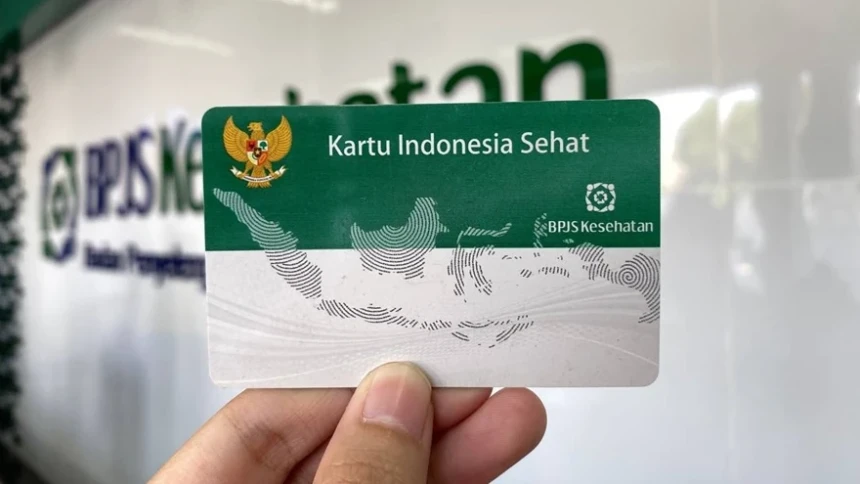
Jakarta – The President Director of BPJS Kesehatan has acknowledged that potential fraud in Indonesia’s national healthcare system is still estimated at around Rp6 trillion. However, the figure has declined from previous estimates following strengthened oversight and mitigation efforts carried out in collaboration with various stakeholders.
The statement was made after a meeting between BPJS Kesehatan and the Corruption Eradication Commission (KPK) aimed at strengthening cooperation to prevent fraud within the National Health Insurance (JKN) program. According to BPJS Kesehatan, all parties involved in healthcare financing are encouraged to strictly comply with regulations to further reduce fraudulent practices.
“We are all working to reduce fraud by ensuring that every process complies with the regulations. The figure is no longer as high as it used to be—it has decreased. It is now estimated to be around Rp6 trillion,” said BPJS Kesehatan President Director Ghufron Mukti.
Ghufron emphasized that BPJS Kesehatan is subject to multiple layers of oversight, including internal audits as well as examinations by Indonesia’s Supreme Audit Agency (BPK) and the Corruption Eradication Commission (KPK). If indications of fraud are found, the responsible parties are required to reimburse any financial losses incurred.
During the meeting, BPJS Kesehatan and the KPK also discussed several new measures to strengthen fraud prevention, including the implementation of a Corruption Risk Analysis, the enhancement of the Whistleblowing System, and other monitoring mechanisms that will be incorporated into a renewed memorandum of understanding between the two institutions.
Fraud in healthcare services generally involves schemes such as phantom billing (fictitious claims), diagnosis manipulation, and overclaiming for medical services. The Indonesian government has previously established the National Health Insurance Fraud Prevention Team to strengthen supervision at healthcare facilities and take action against parties proven to have committed fraudulent practices.